DEMOGRAPHY IS NOT DESTINY
Retrieved from google images
FABRIZIO GOWDY | NOVEMBER 11, 2020 | OPINIONS
As the last votes from the 2020 Election are counted, it is clear Joe Biden has been elected the 46th President of the United States of America. But Biden’s narrow victory should not distract from the fact that last Tuesday was a very good night for the future of the Republican Party and a very poor showing for intersectional identity politics.
President Donald Trump’s coalition proved more durable than most pundits predicted, as he once again outperformed polls and received more than eight million more votes than he did in 2016. Republicans appear to have picked up about 100 seats in state legislatures, expanded their number of seats in the House, and are on track to hold the Senate. Most striking however, was the GOP’s overperformance among minority voters.
For months leading up to November, we were told by pundits that Trump’s racially charged rhetoric — on immigration, the national anthem protests, and the coronavirus — would doom him at the ballot box. Voters of color would show up in record numbers to oust Trump. But as the votes were tallied, the exit polls told a different story.
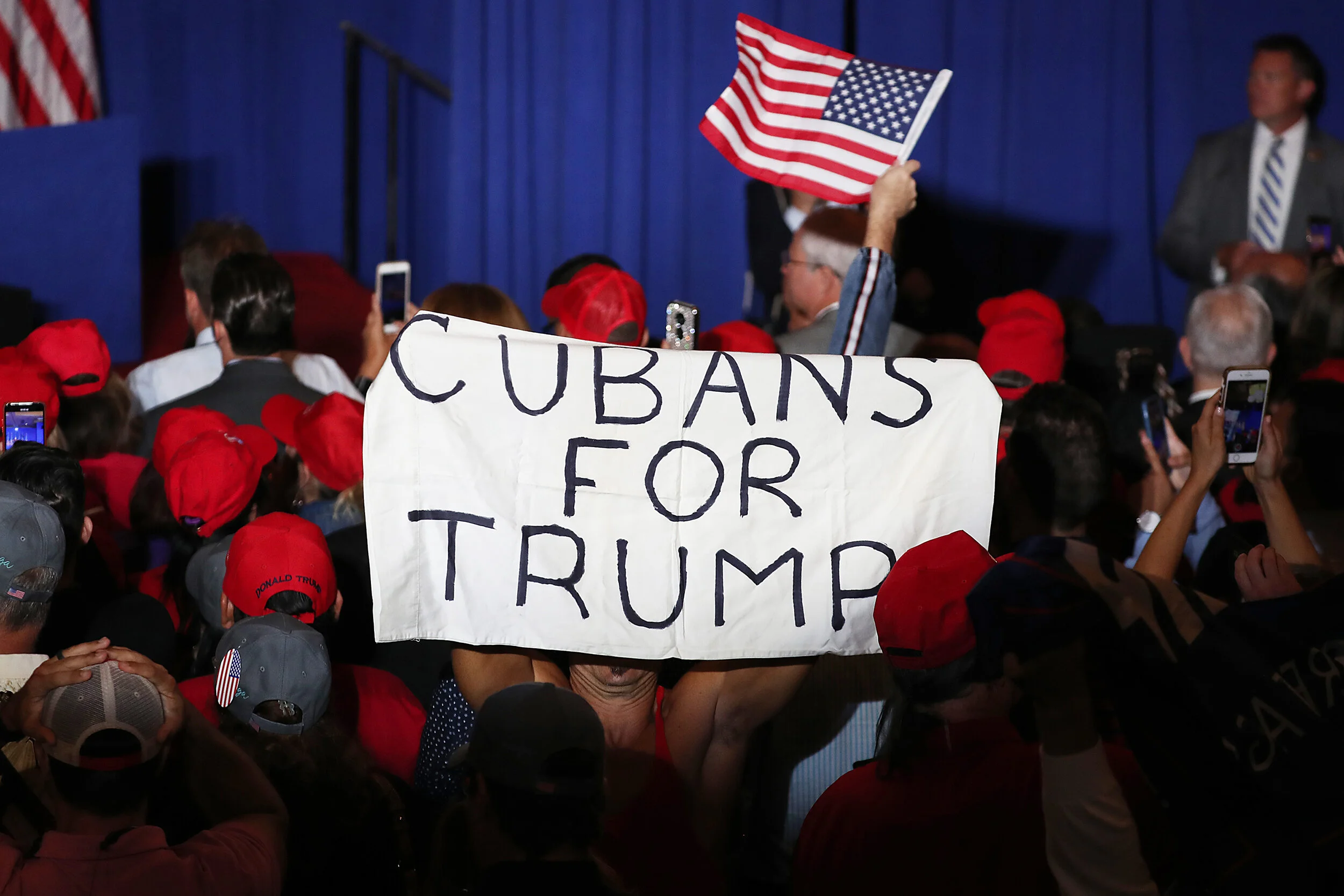
Trump made modest gains with Black and Asian voters, and dramatically improved his margins with Latinos. In key states like Florida and Texas, Latinos not only did not drag Trump down, they helped propel him to victory. In Florida’s Latino-heavy Miami-Dade County, Trump won 45 percent of the vote, a dramatic improvement from 2016 when he lost the county by 29 percentage points. Trump won nearly 200,000 more votes in Miami-Dade than he did in 2016, largely by courting socialism-weary Cuban and Venezualan immigrants, which helped him coast to a comfortable 370,000 vote win statewide.
Retrieved from google images
In Texas’s Rio Grande Valley, Trump stunned pundits and pollsters when he became the first Republican since Warren G. Harding in 1920 to carry Zapata County, which is 93 percent Latino. Trump lost the county in 2016 by 32 percentage points, but won 52 percent of the vote last Tuesday. At 96 percent Latino, neighboring Starr County represents the most Latino county in America. Hillary Clinton won Starr County by 60 percentage points, but Biden carried it by just five percentage points.
Nationally, Trump won 32 percent of Latinos, up from 28 percent for years ago according to CNN exit polls. The improvement was more pronounced in key battleground states. Forty percent of Texas Latinos and 47 percent — nearly half — of Florida Latinos backed Trump. In Georgia and Ohio, Trump improved his margins with Latinos by 24 and 17 percentage points respectively.
Even after using offensive terms like “the China virus,” and “Kung-Flu,” Trump won 32 percent of Asian voters, up slightly from 27 percent in 2016. Among Black voters, the President also made inroads, winning 12 percent of the Black vote, up from just eight percent four years ago. Trump outperformed among Black men in particular; in Florida he won 18 percent of Black men.
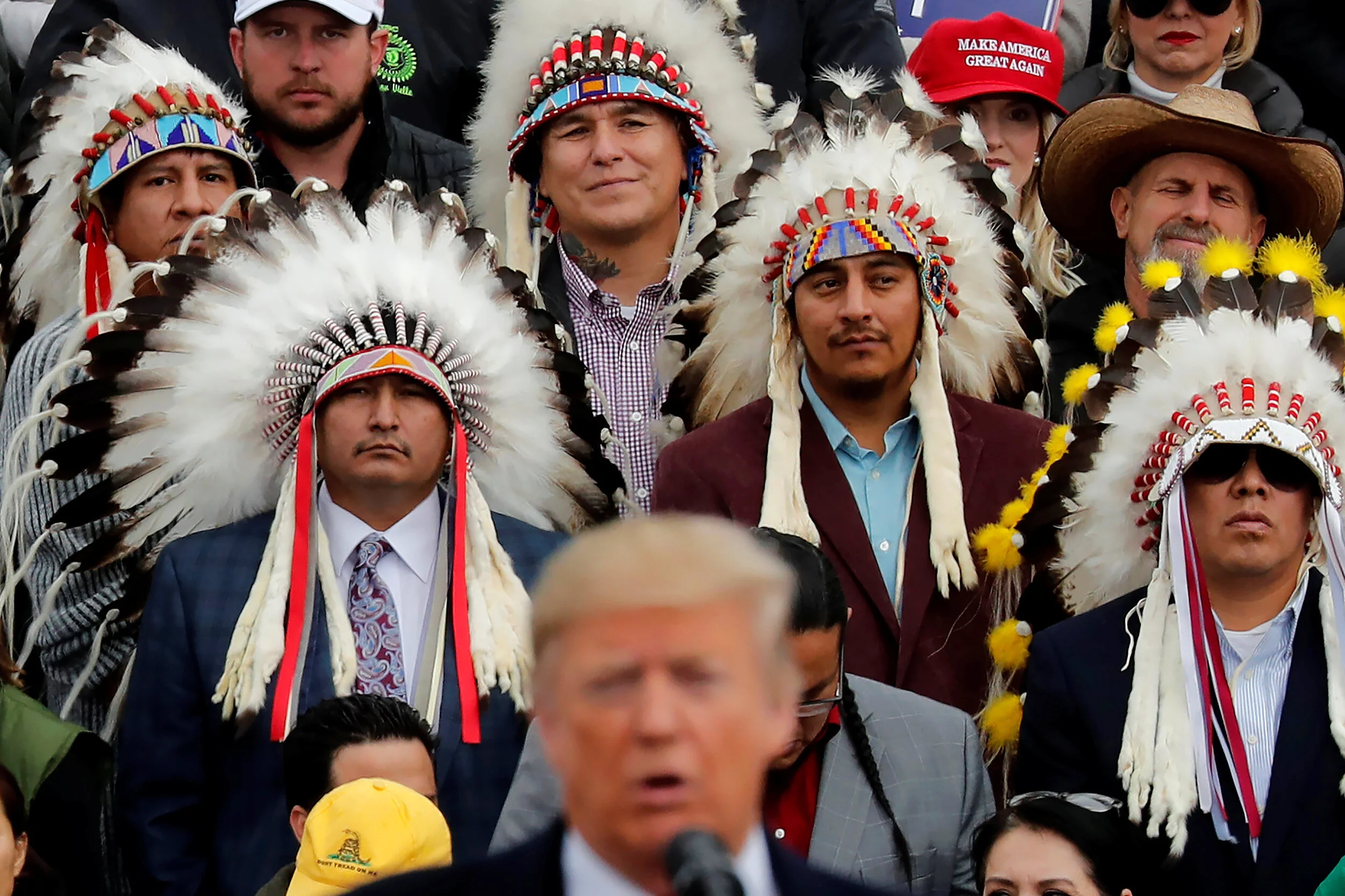
Trump carried Robeson County, North Carolina, a purple county where Native Americans are a plurality of the population thanks to the sizable Lumbee Tribe. In 2012, Barack Obama won majority Native American precincts in Robeson County by a 59 to 39 percent margin, but last Tuesday, Trump won those same precincts by a 69 to 30 percent margin according to the University of Virginia Center for Politics .
Trump even doubled his share of the LGBT vote, which Hillary Clinton won by a 77 to 14 percent margin. Biden only defeated Trump 61 to 28 percent among voters who identify as LGBT. Ironically, the only demographic group Trump did worse with in 2020 was white males, who backed Trump by 13 percentage points less than they did in 2016. This is unsurprising, as Biden’s Democratic Party is built to cater to socially liberal, fiscally conservative, affluent white suburbanites who feel alienated by Trump’s economic populism.

Retrieved from google images
Why does any of this matter when Trump ultimately lost? Because these results are proof that the concept of intersectional identity politics is deeply flawed. Many political observers have theorized that because, “demography is destiny,” Democrats will inevitably ride America’s diversifying demographic trend to perpetual victory, while the GOP will be relegated to a permanent minority party of white grievance. But last Tuesday showed that Republicans are capable of winning minority voters, who are, on average, relatively socially conservative when it comes to social issues like abortion, religious freedom, and family values.
Minority and immigrant voters are not, as some mistakenly believe, a homogenous voting block who buy into group identity politics. Like most voters, they are far more concerned with substantive policy, especially economic and social issues. If there is anything Republicans should learn from this election, it is that demography is not destiny.